The
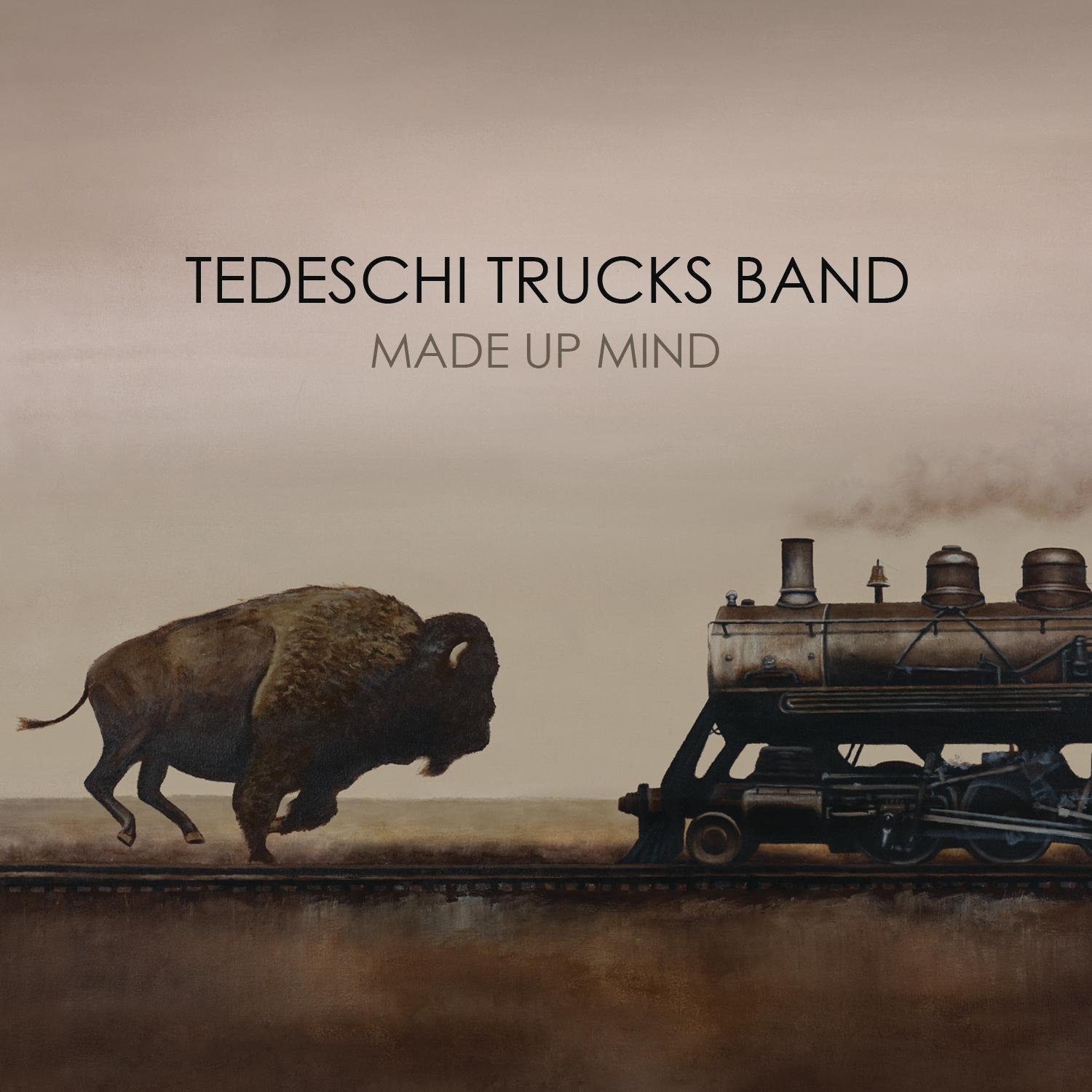
Tedeschi Trucks Band
grew out of the 2010 summer tour dubbed “Soul Stew Revival,” which itself was
planned as a way for the real life married duo of singer/guitarist Susan
Tedeschi and guitarist Derek Truck to spend some time together on the road with
their family as opposed to launching solo tours. The Soul Stew Revival included
members of each artist’s band as well as talented friends and, as time passed,
it grew into the eleven-piece ensemble that makes up the Tedeschi Trucks Band.
Revelator, the band’s 2011 debut album, dominated the blues chart for a
couple of years with its inspired mix of blues, soul, gospel, and rock ‘n’ roll
while Everybody’s Talkin’, a two-disc 2012 live set, picked up the slack
on the charts when Revelator’s sales began to flag.
Now it’s
2013 and the Tedeschi Trucks Band returns after two years on the road with its
second studio effort, Made Up Mind. While a lot has been made of the
similarity of Tedeschi’s vocals to those of the great Bonnie Raitt,
Made Up Mind brings another comparison to my mind, to the underrated
Bonnie Bramlett and her late 1960s/early 1970s collaborations with her late
husband Delaney. Much like Bramlett, Tedeschi wrings every bit of juice out of a
lyric, and what is the Tedeschi Trucks Band but a modern-day conglomeration of
talent like Delaney & Bonnie & Friends, with Trucks playing the role of
both Delaney Bramlett and Eric Clapton?
Tedeschi Trucks Band’s Made Up Mind
Made Up Mind opens with the title track, Trucks’ chunky guitar
scrape accompanied by a funky, choogling groove and full, rich backing
instrumentation. Tedeschi’s lovely voice kicks in, displaying her Etta James
influences, the singer rolling with the groove and soaring above the fray when
necessary only to trail off in favor of Trucks’ fluid, sizzling guitar solo.
This is the kind of ready-made, radio-friendly jam that would have dominated
the AOR airwaves in the early-to-mid-1990s but today it plays to a mainstream
blues audience ill served by corporate radio.
“Do I Look Worried”
takes the band back to an even earlier era, Tedeschi’s stunning torch-song
styled performance creating a 1950s R&B vibe, as seen through a 1970s
blues-rock lens, the sound reinforced by the band’s subtle, elegant use of
horns in the background. The song’s lush instrumentation threatens to
overwhelm the singer, Tedeschi nevertheless rising to the occasion, assisted
by Trucks’ gorgeous guitar lines and stinging solos. “Idle Wind” is a pure
1970s construct, the sort of bluesy, folkie, acoustic rock hymn that many of
us cut our eye teeth on back in the day, the song darkly imaginative, with a
lovely use of Kofi Burbridge’s feathery flute runs and a soft layer of
horns.
Calling Out To You
The throwback soul of “Part of Me” is delivered pitch perfect by the fine vocal
interplay between Tedeschi and trombonist Saunders Sermons, who sounds like a
young Curtis Mayfield. The 1960s soul ambiance is undeniable and, just in case
you may not have caught the song’s reference point, Trucks kicks out his best
Steve Cropper/James Burton guitar licks, spicing up an already enchanting
performance. Tedeschi’s vocals on “It’s So Heavy” further underline the Bonnie
Bramlett connection, the singer evoking no little emotion in an otherwise
deceptively understated performance; Trucks’ accompanying solos are also
appropriately muted, albeit with the strength of a rushing river.
Hands
down, the most raucous tune on Made Up Mind, “The Storm” amps up Trucks’
rattletrap guitar riffs while the rhythm section cranks out a ramshackle
juke-joint groove straight out of the Junior Kimbrough/R.L. Burnside playbook.
There’s more at play here than a Mississippi Hill Country influence, however,
Tedeschi throwing a little Memphis soul into her vocals while Trucks tosses off
a golden jazz-flecked solo that invokes Luther Johnson as much as Luther
Dickinson while Burbridge’s gospel-tinged keyboards ride shotgun before chaos
descends at around the five-minute mark as Derek clearly loses his mind
(speaking instrumentally, of course) and tears off a deadly swamp-blues solo
mixing Duane Allman’s greasy tones with John Campbell’s Delta dirt. Providing a
stark contrast, the album closes with the acoustic “Calling Out To You,” a fine
showcase not only for Tedeschi’s vocal skills but also for Trucks’ six-string
dexterity as the two record sans band for a charming and entirely intimate
performance.
The Reverend’s Bottom Line
The album’s songwriting is, admittedly, the weakest part of
Made Up Mind, too many of the album’s tunes composed by committee and
lacking a lyrical cohesion (several songs co-written by the Jayhawks’ Gary
Louris). The best material seems to be that which echoes a singular voice, the
title track, “Do I Look Worried,” and “Misunderstood” particularly standing
out from the crowd. Whereas the size of the band may have created an obstacle
in the instrumental composition of the material, the talents involved and the
chemistry created by a couple years on the road has created an entertaining
and musically exciting blend of blues, soul, and rock ‘n’ roll.
The Tedeschi Trucks Band has been accused of recording an album
that is more “pop” than blues with Made Up Mind, and there’s no denying
the mainstream appeal of these bright, shiny performances. It’s the band’s
love of the music, however, that makes Made Up Mind a winner. This may
not be your daddy’s blues, but this is a big tent that we’re all under, with
plenty of room for newcomers, and Tedeschi Trucks Band is redefining rhythm
and blues with a sound entirely its own... (Sony Masterworks, released August
20, 2013)
On paper, it seemed like a perfect match – take the husband and wife team of
Derek Trucks and Susan Tedeschi, surround them with nine talented
musicians culled from their individual bands, put them in a studio and see what
happens. Considering that Tedeschi and Trucks are two of the most popular,
talented, and innovative artists on the blues scene today, expectations were
high for the Revelator album. Nobody could have predicted what happened
next, though. The album has spent over a year on the blues chart and won both a
Grammy® and a Blues Music Award, while Tedeschi and Trucks also took
individual BMAs.
Revelator was supported by a lengthy tour by
the eleven-piece Tedeschi Trucks Band, several dates of which were recorded for
Everybody’s Talkin’, a deluxe two-disc live set that is a real gift for
the fans that climbed on board with the first album. In concert, the band
stretches out on stage to jam on their signature blend of blues, rock, gospel,
Southern soul, and funk music. While the two CDs here only offer up a mere
eleven songs, every one of them is a revelation, with the well-chosen cover
songs so perfectly meshing with the band’s original material that the listener
would be hard-pressed to tell the difference if they weren’t already familiar
with the song.
Tedeschi Trucks Band’s Everybody’s Talkin’
The set kicks off with the Fred Neil-penned title track, a well-worn
chestnut that was recorded by the great Harry Nilsson for the 1969 movie
Midnight Cowboy. Since Nilsson’s up-tempo version first rode the
airwaves to top ten chart success, the song has been covered in dozens of
styles, from King Curtis’s jazz-tinged R&B take to Stephen Stills bluesy,
guitar-driven version. Tedeschi straddles a line between the two, applying her
warm voice to the Southern soul-flavored arrangement as the band creates a
funky, fat groove behind her vocals, which capture the wistful nature of
Neil’s original folkish lyrics. Trucks spices up the song with a tasteful,
albeit short solo that cranks up the amperage for a big finish.
With
a high energy level established, Everybody’s Talkin’ only soars higher
towards the stratosphere from here. The hauntingly beautiful “Midnight In
Harlem” is provided a (slightly) raga-styled intro with Trucks’ nimble
fretwork at the fore before rolling into a mid-tempo performance that is
dominated by Tedeschi’s languid, sultry vocals and Kofi Burbridge’s lively
keyboard riffs. Another track from Revelator, the seeped-in-the-Delta
“Learn How To Love,” is stretched out at better than twice its original
length, the song dominated by Trucks’ fierce guitarplay, icy blasts of horn,
the explosive twin drums of Tyler Greenwell and J.J. Johnson, and
Tedeschi’s powerful, roaring vocals. Trucks’ scorched-earth solo a little more
than three minutes in is strong stuff, indeed.
Bound For Glory
“Bound For Glory” is introduced by Trucks’ scrappy Mississippi front
porch country-blues picking before sliding into a deep Southern rock groove.
Bassist Oteil Burbridge is the band’s secret weapon, a talented fat-string
player that provides a subtle but ever-present rhythmic foundation for the
rest of the band build upon. Tedeschi’s vocals sound a lot like Bonnie Raitt
here, soaring from a whisper to a joyous shout, while the performance itself
evolves into a swaggering instrumental jam with Kofi’s slippery keyboard licks
and a spry percussive backdrop leading the way.
While usually
credited to Muddy Waters, the raucous “Rollin’ and Tumblin’” has become a
hallowed blues standard, with versions recorded by everybody from Elmore James
and Memphis Slim to Cream and Johnny Winter. Tedeschi and Trucks build off the
James’ version here, the band delivering an energetic shuffle behind Trucks’
raging guitar and Tedeschi’s roaring vocals. Disc one closes out with an
inspired take on songwriter John Sebastian’s “Darling Be Home Soon,” Tedeschi
displaying her excellent emotional phrasing on the song’s wan lyrics, backing
harmony vocals lending a sort of Stax/Motown gospel/soul vibe to what is a
wonderfully moving performance.
Stevie Wonder’s Uptight
Disc two is slightly shorter that the first set’s 70-minute runtime, clocking in
at four songs and three-quarters of an hour, but the performances are no less
potent. The R&B gem “That Did It” is afforded a big band-styled performance
with gospel revival fervor, Tedeschi channeling her inner Koko Taylor with fine
soul-shouter vocals bolstered by her often-overlooked guitar playing, which
lends great tone and texture to the Bobby “Blue” Bland classic. A
finger-snapping cover of the great Stevie Wonder’s “Uptight” is delivered as a
quarter-hour-plus long rant ‘n’ rave-up that mix soul and jazz with Oteil
Burbridge’s scat-singing, Tedeschi’s fine vocals, Kebbi Williams’ manic sax, and
some of Trucks’ greasiest slide-guitar playing on the record.
Another
Revelator gem, “Love Has Something Else To Say,” is funked-up on
steroids, cranked way up to eleven minutes on the back of the R&B drenched
horns of saxophonist Williams, Maurice Brown’s trumpet, and Saunders Sermons’
trombone. The horns get to be a bit much for my tastes, a little too
free-wheeling and bleating for these ears, but Trucks’ fluid solos are just the
tonic you need, and Sermons’ sonorous vocals provide a fine counterpoint to
Tedeschi’s sweeter tones. The Sam Cooke classic “Wade In The Water” provides a
big finish to Everybody’s Talkin’, showcasing everything that is good and
grand about this band. A gospel-blues tune with hints of swamp-blues malevolence
and dark-hued lyrics, the band’s reverent vocal interplay is complimented by a
claustrophobic instrumental arrangement and shards of broken-glass guitar and
crafty percussion work that slips in beneath the radar.
The Reverend’s Bottom Line
While the Tedeschi Trucks Band’s Revelator provided fans of both
Susan Tedeschi and Derek Trucks with a long-awaited musical collaboration, the
album’s mainstream appeal has gone a long way towards bridging the gap between
rock, pop, and blues fans across the globe. Everybody’s Talkin’ takes
the band’s enormous musical chemistry one step further, showcasing an outfit
at the top of its game and opening the door for break-out success. If you were
lucky enough to catch the Tedeschi Trucks Band on tour,
Everybody’s Talkin’ will be a fond souvenir of the experience, and if
you missed them last time around, this live set will assure that you’ll never
make that mistake again! (Sony Masterworks, released May 22, 2012) Buy the CD from Amazon:
Tedeschi Trucks Band’s Everybody’s Talkin’
There are punk bands, and then there is Rancid. Legendary among its
peers, Rancid stands as both the de facto standard for the punk rock aesthetic
and as a mirror used by other bands to measure their own commitment to the
music. If Rancid’s last couple of albums played mostly to the band’s hardcore
faithful, Indestructible is a return to the substance, if not exactly the style
of the band’s semi-commercial breakthrough, …And Out Come the Wolves. The
band has grown immensely through the past few years, its members dabbling in
outside musical projects and suffering personal tragedies that would cripple
lesser artists, the band members coming out on the other side of the veil of
tears stronger and more dedicated to their craft than ever before.
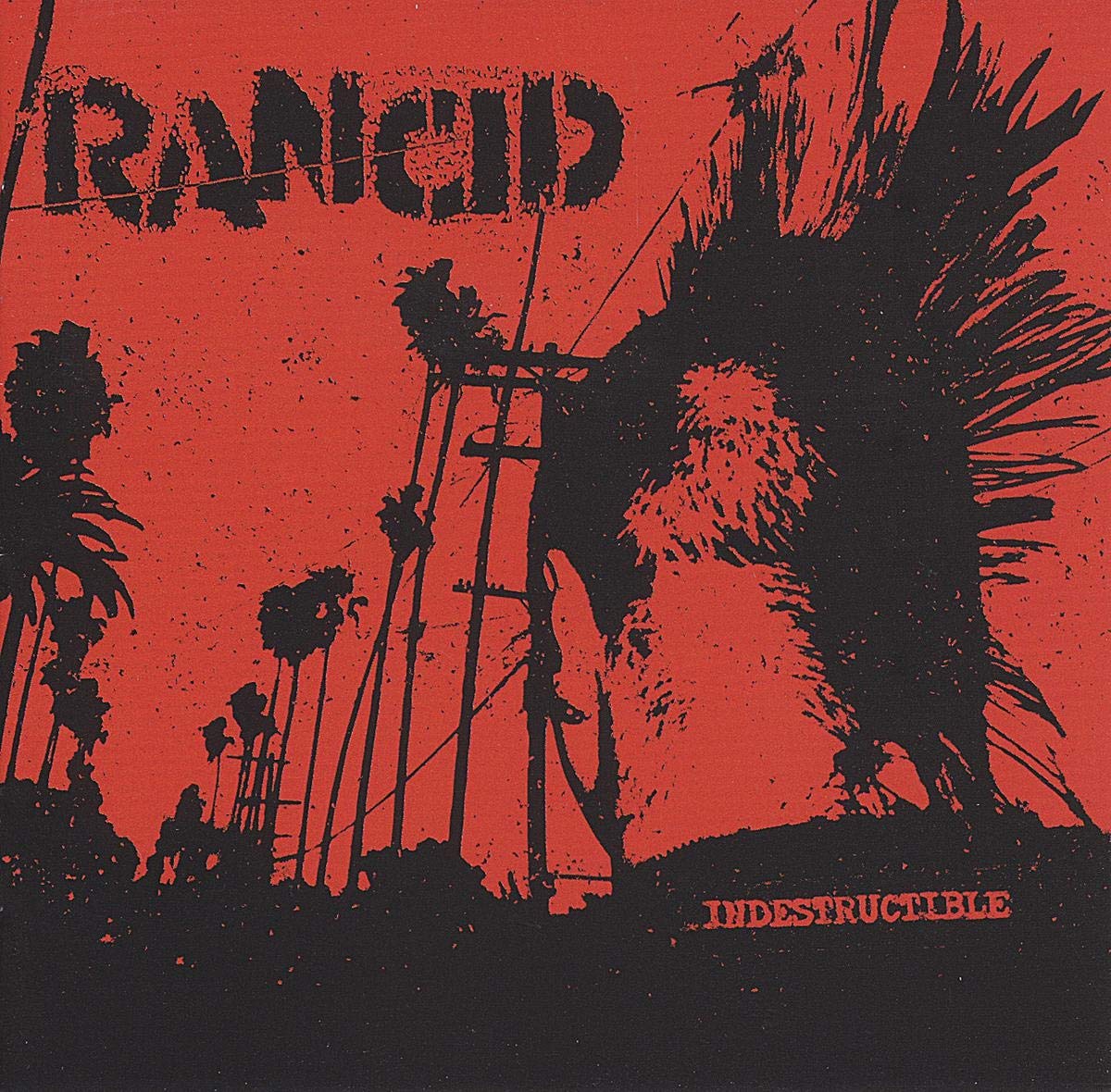
Rancid’s Indestructible
On the surface, Rancid frontman Tim Armstrong’s betrayal by and divorce
from his wife Brody of the Distillers informs Indestructible. The album is
littered with little digs at Armstrong’s wandering ex, from “I’m ashamed now
to say I even knew you” in the title cut to “Don’t worry about me, I’m gonna
make it alright” in “Fall Back Down” to a half-dozen other thinly veiled
references. But Indestructible is about much more than a failing
marriage. The album uses the frailty of human relationships as a framework to
discuss traditional male traits of loyalty, friendship and brotherhood and how
staying true to these concepts pays off in the end. It’s pretty heady stuff
for a “mere” punk band, but Armstrong has always been an intelligent,
self-aware critic and a voice for the (mostly) working class punk
community.
Although the Conservative right usually claims honor and
loyalty as its exclusive domain, you’ll find more brotherhood among members of
your average street gang than in any country club in America. With
Indestructible, Armstrong and crew further the concept of punk band as
street gang and, indeed, there’s little difference between the two. Both the
street gang and the punk band are made up of aggressive young males, one
usually defined by geography and the other by music. Their common experiences,
whether a shared poverty or twelve hours a day driving down the highway in a
van together, creates a bond that is difficult for outsiders to understand.
Both groups provide extended families for its members, create their own
language and iconography while a strong code of honor (or high artistic
standards) provide a needed foundation.
But where does all of this
sociological mumbo-jumbo leave Indestructible? Well, the album rocks
with a fervor that few bands can manage, the chemistry of a decade spent
together having forged a band that can turn on a dime, capable of expressing
any musical idea that its members choose to push. There are precious few ska
rhythms here, and fewer overt musical references to the Clash. Bassist Matt
Freeman and drummer Brett Reed are arguably the best rhythm section in punk
rock and guitarist Lars Frederiksen continues to grow as a player, elements of
roots rock and bluesy flourishes creeping in at the edges of his blustery
six-string assault. Armstrong is a wonderfully flawed vocalist, his warm drawl
stretching out syllables and slurring words with an accessible patois of city
slang and hip-hop inflection.
Tropical London
Lyrically, the album’s title cut champions the healing power of rock ‘n’
roll and, name-checking Joe Strummer, lets slip the truth that as long as
people listen to the music, the musicians who created it will never die in our
hearts and in our memories. “Fall Back Down” champions the band as family, a
self-contained brotherhood of equals that carry one another through heartache
and tragedy. “Start Right Now” refers to the actions of our leaders, “a shill
in a mask and a puppeteer,” and the effects these actions have on the average
man while “Out of Control” describes the propaganda and lies that led us into
the war in Iraq.
With “Django,” Armstrong uses a ‘60s-vintage
spaghetti western as a metaphor for the emotional and physical baggage that
people carry around with them. In the film, the lead character Django was your
typical Eastwood-styled strong, silent type, dragging a coffin that contained
a multi-shot Gatling gun across the old west from town to town. Many people do
the same, carrying around their own “coffin” in the form of drug or alcohol
addition or emotional and physical abuse. “Travis Bickle” uses another film
reference, to Scorsese’s brilliant Taxi Driver, to describe the
hopelessness and despair that exists on the streets of every city, no matter
where you go while “Memphis” is a lively tale of life on the road.
“Tropical
London” tackles the breakup of Tim and Brody directly, Armstrong sharing
memories of his wife as honestly and with as little bitterness as possible.
Similar to Tom Petty’s “You Got Lucky,” the singer tries to turn the tables on
the one who left, declaring “if you lose me, you lose a good thing,” tho’ the
phrase rings hollow and in the end, the broken heart remains. “Stand Your
Ground” is a heartfelt treatment of homelessness in America, a dirty little
secret often ignored in the face of shallow flag waving and national
saber-rattling. Indestructible closes with “Otherside,” written for
guitarist Lars Frederiksen’s brother Robert, who died in 2001. It is at once
both a tribute to a loyal fan of the band and a celebration of his life and of
the music he loved. It is a potent closer and a hell of a rocker.
The Reverend’s Bottom Line
With Indestructible, Rancid has upped the ante and delivered
another career-defining album. Through various levels of success, the inner
turmoil of the band member’s personal lives and suffering the rigors of the
road, Rancid has managed to stay strong, stay independent and stay focused on
creating great rock ‘n’ roll music. They have done so without compromise,
creating a legacy that will live on long after the band ceases to exist.
(Hellcat Records, released 2003)
Review originally published by Alt.Culture.Guide™, 2003
A current fave among tape traders and bootleggers, there are a number of Rage Against The Machine performances circulating among the collecting community. One of the better collections, taken from the band’s 1993 U.S. tour is Who’s On First?, released by the Hawk Records label in Italy. The songs compiled on Who’s On First? represent some of the band’s better performances, versions of “Bombtrack,” “Bullet In the Head,” and “Killing In the Name” offering extremely energetic musical and vocal gymnastics.
Zach de la Rocha’s spoken rendition of Alan Ginsburg’s “How To Be Played On A Jukebox” is particularly potent, tying together the F.B.I., the C.I.A., and the Mafia in the world drug trade, fighting against democracy in Viet Nam and elsewhere under the aegis of multinational corporate capitalism. Underscored by darkly threatening instrumentation, it is a fiercely venomous rendering of the song.
Altogether, Who’s On First? runs nearly 50-minutes in length, offering a fine set of Rage Against The Machine’s most popular songs. With the band’s recently-released Evil Empire tracking quite well on the charts, a summer tour and guest appearance at Lollapalooza, Rage Against The Machine will continue to increase its fan base with a monstrous live persona. Until the inevitable live recordings from their upcoming 1996 tour start to appear, I’d heartily recommend Who’s On First? to the band’s rabid fans. Grade: B
Review originally published by R Squared: Rock ‘n’ Roll Kulture for the Masses zine, 1996
Music Journalist Pete Frame has enjoyed the sort of career that any music fan would give his or her eye teeth to experience. Frame was the founder of the British music magazine ZigZag, acting as the publication’s editor from 1969 through 1973, and again later from 1976 through 1978. He managed the English cult band Starry Eyed & Laughing, worked as an A&R man for the Charisma Records label and as press officer (publicist) for the legendary Stiff Records label.
Since 1979, Frame has made his living directly as a writer, contributing to publications like New Music Express, Melody Maker, Rolling Stone, and others. He has also been a producer on several documentaries for BBC radio, including tributes to Buddy Holly, Leonard Cohen, Elvis Presley, and Frank Zappa. Frame is best-known, however, not for his pen but rather for his penmanship, as the creator of intricate, detailed, and fascinating “rock family trees” that provide a genealogical history of various bands, right down to the names of individual members and what instrument they play.
Frame first began creating his rock family trees for ZigZag, putting together a chart on the Byrds for an issue in 1970, following it with a chart for British blues pioneer John Mayall a couple of issues later. By the magazine’s 21st issue, published in July 1971, Frame landed on the “family tree” format that he’s followed ever since, putting together a complex Al Kooper genealogy. These rock family trees have been used in the packaging of recordings by folks like Eric Clapton, Iron Maiden, Talking Heads, and many more, and were the basis for two six-part BBC television series during the 1990s that were narrated by the late John Peel.
Pete Frame’s Even More Rock Family Trees
Frame’s work has also been published in a number of books. The first Rock Family Trees collection was published in 1979, and a second book, Rock Family Trees, Vol. 2, in 1983; the two volumes later combined in 1993 as a single book, The Complete Rock Family Trees. Frame took the series in a different direction with 1997’s The Beatles & Some Other Guys, which covered in no little detail the British rock music scene of the 1960s, and followed it up a year later with the More Rock Family Trees collection.
After taking some time to put together the exhausting and entertaining The Restless Generation, a 500-page history of British rock in the 1950s, a decade of Frame’s work has culminated in the recently-published Even More Rock Family Trees. Since that first chart in ZigZag, Frame has created some 140 family trees tying together over 2,000 bands and artists. Today, as they were 40 years ago, Frame’s rock family trees are hand-drawn and notated on large 4’ x 3’ sheets of paper that are then scanned and reduced in size for publication. Sometimes a particular family tree is so crammed with details that a reader has to reach for a magnifying glass (or, for us old geezers, magnified reading glasses) to take it all in.
Absurdly-Annotated Genealogical Band Charts
Even More Rock Family Trees features 33 absurdly-annotated genealogical charts of various bands that were created by Frame from the 1980s through the 2000s, and while there is some overlap with previous collections, there really is precious little duplication between volumes. The over-sized book begins with a bare-bones history of England’s famed Creation Records label, outlining the connections between bands like My Bloody Valentine, Teenage Fan Club, the Boo Radleys, and Oasis, among others. Another quite detailed tree examines the 15 different Jesus & Mary Chain line-ups, including information on the band’s recordings during the 1980s and ‘90s.
Frame doesn’t restrict his work to just British rock history. His “Grunge: The Sound of Seattle” digs deep into the roots of popular bands like Pearl Jam, Nirvana, and Soundgarden, outlining the evolution of grunge from the early 1980s through the current superstardom of the Foo Fighters. Frame reaches back to his own youth for a chart on American R&B legends the Drifters, following the troubled band from its formation by singer Clyde McPhatter in 1953 to the hit-making, late-1950s Ben E. King years, through the final shadow of the band that gave up the ghost during the mid-1980s.
While Frame has a taste for the classic rock of the 1960s and 1970s, he’s not afraid to jump in and chronicle more recent bands like Suede or the Lyres. He’s at his most comfortable with the oldies, though, and his four-page extended Allman Brothers Band family tree is a thing of beauty for the hardcore fan. “Surf City Here We Come!” outlines the history of the Beach Boys, Dick Dale, the Surfaris, and other like-minded bands while his detailed outline of Fleetwood Mac ties together John Mayall’s Bluesbreakers, Rod Stewart, Chicken Shack, and Savoy Brown in a tree of many branches.
The careers of Elton John, Steve Winwood, Roger McGuinn, and Eric Clapton benefit from Frame’s keen eye and steady hand; ditto for Roxy Music, Rainbow, Fairport Convention, and Emerson, Lake & Palmer, while Frame’s history of the Boston folk scene, augmented by quotes from artists like Geoff Muldaur and Amos Garrett, shines a light on a wealth of often overlooked musical talent. Only one chart in Even More Rock Family Trees wasn’t created by Frame, his acolyte Paul Barber putting together a fantastic timeline of jazz great Miles Davis’s live bands from 1955 to 1975.
The Reverend’s Bottom Line
Admittedly, Frame’s rock family trees books are for the diehard rock ‘n’ roll geek or OCD-inflicted music historian, but they’re also a heck of a lot of fun. For those of us who have spent untold hours peering through the cryptic credits of the albums and CDs that we’ve spent a lifetime collecting, trying to piece together the minutiae of our favorite bands and artists, Frame’s efforts seem downright Herculean.
Even More Rock Family Trees carries on the tradition of excellence begun by artist Pete Frame – and these rock family trees are, indeed, works of art – over 40 years ago. Be careful, though, ‘cause once you dig into one of these books, you’re going to lose hours at a time peering through the pages. (Omnibus Press, published April 1st, 2012)
Review originally published by Blurt magazine, 2012
A long overdue anthology of superstar guitarist Steve Vai’s work for Epic Records, The Infinite Steve Vai is a steal of a deal for the uninitiated and/or curious, offering 32 tracks spread across two CDs at a lowball price of around $20 at most retailers. Although Vai’s legion of loyal fans will find little that is new here, the set does gather some odd strays from Vai’s musical canon, such as “Christmas Time Is Here” from a 1997 holiday collection or “The Reaper” from the 1991 movie soundtrack of Bill & Ted’s Bogus Journey. “Feathers,” an instrumental recorded as a demonstration for Tone Works’ Pandora PXR4 portable digital recorder, was simultaneously released on Vai’s 2003 rarities collection Mystery Tracks Archives, Volume 3 on his own Favored Nations label.
Steve Vai’s The Infinite Steve Vai
Otherwise the producers play it pretty straight, culling material primarily from Vai’s 1990 Epic debut Passion and Warfare (five songs), his 1995 release Alien Love Secrets (four songs), and it’s critically-acclaimed follow-up Fire Garden (four songs). A few live tracks are included from Alive In An Ultra World, although Vai’s work with Joe Satriani on the two G3 albums is overlooked and the criminally-underrated 1993 album Sex & Religion with Devin Townsend, T.M. Stevens, and Terry Bozzio is largely ignored here (one song).
To their credit, the producers have included a song from Vai’s one-album stint with Whitesnake, “Kittens Got Claws,” and a track from the guitarist’s mid-‘80s Alcatrazz recording, “Light Shade Of Green.” However, this career retrospective overlooks vital material from Vai’s lengthy tour-of-duty with Frank Zappa’s band or his work backing up David Lee Roth that made Vai a guitar hero during the mid-80s. Also ignored are odds-and-ends that could have rounded out a third disc for the set, session work with varied artists like Alice Cooper, Billy Sheehan and Public Image Ltd.
The Reverend’s Bottom Line
These minor cavils aside, The Infinite Steve Vai does collect some fine work, showcasing the acclaimed guitarist’s amazing abilities as well as his penchant for improvisation and experimentation. Few axemen possess the skills to blend hard rock, heavy metal, jazz, and avant-garde guitar licks as effortlessly as Steve Vai. If you’re a newcomer to Vai’s talents, look no further than The Infinite Steve Vai as a satisfactory, if incomplete primer of the artist’s considerable musical history. The collection’s reasonable price and limited scope will provide a stepping stone to more ambitious and complete collections of the six-string wizard’s work. (Legacy Recordings, released 2003)
“Rock is dead!” is the tortured cry of dopey pundits and clueless label executives, proffered as an excuse for their own tone deafness, disregardful of the legions of loyal rockers roaming the American countryside with six-strings set on “stun.” Rock ‘n’ roll has lost its way, however, or at least lost the edge it once had as a medium for political commentary and reform. Although a few old-school survivors of the ‘60s like Neil Young and “Little Steven” Van Zandt still buzz and hum with righteous fury on vinyl from time to time, younger bands are afraid to take a political stance.
A lot of contemporary bands are looking for big dollar, “Big Rock Candy Mountain” levels of success, but a few are using their art as a catalyst for social change. “You”, a five-song digital EP and the second recording by Massachusetts outfit Old Town Crier, is a great example of rock ‘n’ roll being used to further a progressive political agenda that would benefit society. The EP’s title track is an infectious slab of guitar-driven power-pop with an energetic melody, cool vocal harmonies, and a stinging guitar solo that conceal some deceptively pointed lyrics. “Thin Blue Line” uses a throwback 1960s sound and Spector-esque production with chiming keyboards and crashing drumbeats to support its message whereas “Dawnland” is slower, more nuanced, evincing a shimmering psychedelic vibe with colorful guitars and gorgeous keyboards.
“Coal River Mountain” is an Americana-styled romp with wiry fretwork and a rhythmic sense of urgency (like a locomotive teetering down the track), a story-song set in the wilds of West Virginia with imaginative lyrics. The EP’s fast-paced five closes with “Radio On”, a clever, lofty pop-rock construct with hints of the Beatles, Big Star, and Harry Nilsson. Old Town Crier is the solo musical project of Massachusetts multi-instrumentalist Jim Lough, whose previous release was 2021’s five-song EP I’m Longing For You Honey In Middleboro, Mass. Recorded at The Fallout Shelter in Norwood, Massachusetts, You features Lough on vocals, guitarist Garrett Jones, bassist Alex Bilodeau, keyboardist Jenn Hwan Wong, drummer Avery Logan, and saxophonist Stephen Byth, who blows up a storm on a bonus live recording of “You”.
A mere five simoleons for five rockin’ tunes is a better deal than you’re gonna get on anything you’ll find at Dollar General or Wal-Mart, so what are you waiting for? Buy it! All proceeds from the sale of the album will be donated to progressive Democrats running in key races, namely Christine Olivo (FL-26), Jason Call (WA-02), and Melanie D’Arrigo (NY-03), and if you have anything left after buying this Old Town Crier digital EP, consider throwing a few shekels to the progressive candidates in your area.
Back in the day, around 1984 or so I’d say, my fellow rock ‘n’ roll fanatic Andy
Anderson turned me onto a little British pop/rock outfit that had released a
couple of fine albums in Canada. Led by Katrina Leskanich’s soulful vocals and
former Soft Boys’ guitarist Kimberley Rew’s solid songwriting, the band had just
released its stateside debut album. They hit Nashville as part of the band’s
promotional tour, and with my industry connections and the sponsorship of Andy’s
Nashville Intelligence Report zine, we scored an interview with the
charming Katrina. We met in the attic loft of The Brass A, the dive club the
band was performing in, our interview went quite well, Katrina signed some album
covers and the show that night was incredible. The band subsequently scored one
of the major hits of the ‘80s from its debut album, “Walking On Sunshine”
lighting up the charts for months.
Unfortunately, the Waves’ first
big hit pretty much turned out to be its last. Even though they would continue
to record some fine music (their Waves album is vastly underrated), they
would soon be steamrolled on the charts by cro-mags like Guns ‘N’ Roses, Motley
Crue, and Poison as pop music took a decidedly aggressive turn towards nerf
metal. Somewhere along the way, the band’s excellent two Canadian albums became
obscure footnotes in Waves’ history. Thanks to Ralph Alfonso, a long-time
champion of the band and the personable boss at Bongo Beat, these long-lost
albums have been revived on CD for the first time. The two albums fit
comfortably on one disc, the remastered tracks overseen by Kimberley Rew and
released in observance of the 20th anniversary of the band’s first album.
Katrina and the Waves’ The Original Recordings 1983-1984
The Original Recordings 1983-1984 collects ten songs each from
1983’s Walking On Sunshine album and 1984’s
Katrina and the Waves 2, updating the sound for the digital age from
the best tapes possible but otherwise leaving the songs raw and unadorned.
Capitol cherry-picked the best songs from these two Canadian albums,
originally released by Attic Records, having the band re-record them for its
American debut. These original versions are fantastic, however, with an
immediacy and vibrancy that eludes the better-known Capitol versions.
The Original Recordings 1983-1984 includes four previously unreleased
bonus tracks, a 24-page booklet with exhaustive historical notes on the band,
band interviews and more pictures than you can shake a stick at. A DVD
accompanies this 20th anniversary release, featuring the 25-minute
Live At Shepperton Film Studios video, documenting a 1983
“live-in-the-studio” performance of many of the band’s best songs and also
includes the original live concert video for “Walking On Sunshine.”
It’s the music that does the loudest talking, however, songs like “Dancing
Street,” with its staccato riffs and rave-up vocals sounding like a house party,
or the original “Going Down To Liverpool” with its perfect sense of ennui, a
slacker ballad a decade and a half ahead of its time. The original “Walking On
Sunshine” is faster-paced that the Capitol version, a blurred dynamo of energy
and joy while “Brown Eyed Son” is a 60s-styled musical romp with chiming guitars
and lively vocals. Some of the band’s lesser-known tunes hit just as hard, songs
like the rollicking “She Loves To Groove” offering proof of Katrina’s nimble
vocal gymnastics. Or the blues/pop tune “Red Wine And Whiskey,” with Rew’s
guitar shining brightly in the mix and its wonderful chorus, “we’d love to take
you out tonight, but we haven’t got a dime.” “Mexico,” the bittersweet “Do You
Want Crying?” and the spry, rockabilly-tinged “The Game of Love” are all
overlooked gems, among the best rock songs of the '80s.
Of the
unreleased bonus tracks, “That’s Just The Woman In Me” is a slow-paced, soulful
Stax-inspired tear-jerker magnificently belted out by Ms. Leskanich. The band’s
version of the classic “River Deep, Mountain High” leaves other covers of the
song in its wake, evoking the spirit of Ike & Tina Turner’s hit,
reinterpreting it as a revved-up rocker with wicked fretwork courtesy of Mr.
Rew. A reverent, by-the-numbers cover of Buddy Holly’s “Heartbeat” leads into an
early live performance of “Walking On Sunshine,” a wonderful version of one of
the decade’s best-known songs, the band’s spirit and onstage energy amplified
and framed by the echo and spaciousness of the live recording. The band’s best
songs are those written by Rew, whose deft hand at pop songwriting is easily the
equal of such acclaimed tunesmiths as Marshall Crenshaw or Matthew Sweet.
The Reverend’s Bottom Line
If they are only remembered for one song, the forever-frozen-in-time
“Walking On Sunshine,” Katrina and the Waves have achieved a degree of musical
immortality. After listening to The Original Recordings 1983-1984,
however, I’d say that it’s time for music lovers to rediscover one of the
finest pop/rock outfits that the ‘80s had to offer. With bands like Hot Hot
Heat and other ‘80s-era revivalists garnering critical acclaim and radio
airplay these days, perhaps it’s time to take another look at the recorded
legacy of Katrina and the Waves and finally provide the band the respect it
has earned. (Bongo Beat Records, released October 21st, 2003)
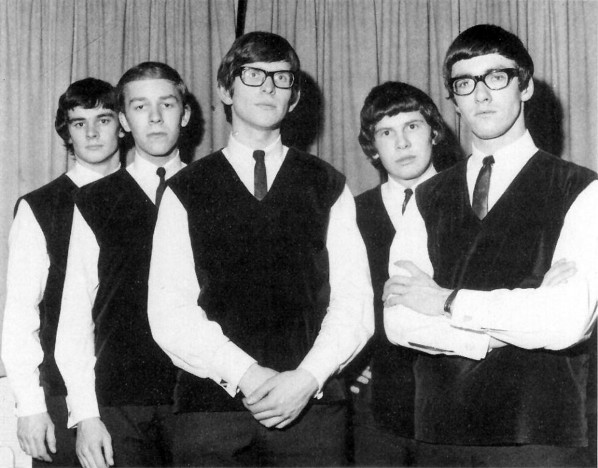
The Zombies
offer up a textbook example of the magic of rock ‘n’ roll to create legend out
of obscurity. Formed in the U.K. in 1961 by singer Colin Blunstone, guitarist
Paul Atkinson, bassist Chris White, keyboardist Rod Argent, and drummer Hugh
Grundy, the band was signed by Decca Records after winning a local music
competition. They scored a hit single right out of the gate when the
Argent-penned “She’s Not There” charted in both the U.K. and the U.S. in August
1964. The Zombies rode the British Invasion wave into the U.S. Top Ten with
Argent’s “Tell Her No” later in ‘64, but half a dozen or so subsequent single
releases failed to match the band’s earlier chart success, and Decca dropped the
band in early 1967.
The Zombies had spent a couple years of hard
touring across the United States, performing alongside folks like Dusty
Springfield and the Searchers when they signed a last-gasp deal with CBS Records
which resulted in what has since become known as the band’s magnum opus, the
wonderful Odessey and Oracle. An inspired mix of the band’s British
R&B roots and contemporary late 1960s psychedelic pop/rock with symphonic
overtones, support by the label for the making of Odessey and Oracle was
virtually non-existent. This forced the band to use a then-novel Mellotron to
mimic orchestral passages because they couldn’t afford studio musicians on the
miniscule recording budget provided by CBS. When the label demanded a stereo mix
of the album (which was recorded in mono), Argent and White footed the cost
themselves.
Odessey and Oracle
The album sank like a stone in the band’s homeland, and was only
released in the U.S. because of support from Columbia Records A&R man Al
Kooper, a talented musician and songwriter in his own right, who had bought a
copy of Odessey and Oracle during a trip to London and recognized its
brilliance. By the time of the album’s late 1968 U.S. release, the Zombies had
already broken up and Rod Argent had begun forming his self-named hard rock
band with Zombies bandmate Chris White…all of which made the unexpected
success of “Time of the Season,” which would rise to #3 on the U.S. charts in
late 1969, all the more awkward. The band members declined to tour in support
of the album and hit single, resulting in at least three counterfeit versions
of the band touring the states as “the Zombies” well into the 1980s.
Somewhere
along the line, though, that ol’ rock ‘n’ roll magic kicked in, and as new
audiences discovered Odessey and Oracle, the album became a bona fide record
collectors’ dream, a holy grail of 1960s-era psychedelic pop that commanded
hundreds of dollars for an original vinyl copy. Music historians connected the
dots between the Zombies and like-minded “sunshine pop” bands like Left Banke
and the Millennium, while musicians like Paul Weller and Dave Grohl confessed
their admiration for the band and its landmark album. In the wake of renewed
enthusiasm for their work, three of the five original members reunited briefly
during the 1990s to record a new studio album, mostly to retain their rights
to the Zombies name.
In 2008, Blunstone and Argent got back
together and re-formed the band with White and Grundy to celebrate the 40th
anniversary of Odessey and Oracle with a series of live shows. The duo has
been at it ever since, touring annually as the Zombies featuring Colin
Blunstone and Rod Argent, the two joined by former Argent/Kinks bassist Jim
Rodford and his son, drummer Steve Rodford, along with guitarist Keith Airey,
who would be replaced by Tom Toomey by the time the re-vamped Zombies recorded
their critically-acclaimed 2010 album Breathe In, Breath Out.
The
Zombies’ Recorded Live In Concert At Metropolis Studios, London
In
January 2011, the Zombies were invited to perform in front of a small, albeit
enthusiastic “invitation only” audience in London’s Metropolis Studios, an
intimate concert that was documented for the subsequent release of Recorded
Live In Concert At Metropolis Studios, London, a two-disc audio/visual
extravaganza certain to thrill the pants off of any longtime fans of the band.
The CD and DVD offer up 19 tunes, most of ‘em bona fide classics, including
six from Odessey and Oracle as well as the earlier hits, and even a couple of
cuts from the Zombies’ most recent, Breathe In, Breath Out.
The
show starts out with “I Love You,” a popular but failed 1965 single that
features a distinctive riff and forceful melody. How can a “failed single” be
popular, you ask? Well, it was originally released as the B-side to a meager
U.S. single, “Whenever You’re Ready.” But the song would become a hit when it
was later recorded by the California pop band People! in 1968, rising to #14
in the U.S. and working its way into the top ten in Japan (twice!), Mexico,
Israel, the Philippines, and elsewhere. Decca reissued the Zombies’ original
as a single in late ‘68 but it sank like a stone. Still, it’s remained one of
the band’s more popular live songs, and here it’s provided a strong
performance, with solid vocal harmonies, psychedelic fretwork, and plenty of
Argent’s manic keyboard-pounding.
The band acquits itself nicely
on the Jimmy Ruffin smash “What Becomes of the Broken Hearted,” which was a
U.K. hit for Blunstone and keyboardist Dave Stewart (not the Eurythmics guy)
back in 1981. With the band providing Motown-styled backing harmonies,
Blunstone imbues the song with a longing and wistfulness that falls just short
of Ruffin’s original. An odd instrumental interlude mid-song detracts somewhat
from the performance, but Argent’s soulful keyboard riffing hits just the
right note. Toomey’s guitar solo near the end is elegant and tasteful,
extending the song to its short, discordant ending. “A Rose For Emily” is the
first of a half-dozen songs pulled from Odessey and Oracle, a wan pastoral
ballad that displays moments of Beatlesque melodic brilliance and interesting
vocal harmonies.
Time of the Season
The audience is
preternaturally patient waiting for the hits, and they get the first in the
form of “Time of the Season,” an uncharacteristic song in light of the rest of
the band’s more sedate psyche-pop milieu. With its familiar riff, unusual
melody, chiming keyboards, and oblique lyrics it’s an instantly accessible
tune and while it originally flopped as a 1968 single in the U.K. it would hit
#3 in the U.S. and top the charts in Canada a year later. “Tell Her No”
suffered a similar fate previously when released in 1964, hitting big in North
America while the band’s hometown audience largely yawned. “Tell Her No”
offers a similar syncopated melody and chorus, and the 21st century Zombies do
it well, Blunstone’s soft lead vocals providing a counterpoint to the band’s
almost overwhelming backing harmonies. It’s an engaging moment that thrills
the audience.
The last of the Zombies’ hit U.S. singles to be
performed this night was also the band’s first, “She’s Not There” hitting #2
in the U.S. and Canada while charting at #12 in the U.K. In many ways, it
would set the standard by which subsequent releases would be measured, which
is why, perhaps, “Tell Her No” and “Time of the Season” rose above the band’s
other singles in that they all share a distinctive harmonic vibe that stood
out as different and innovative at the time. Performed here, the song lends
itself to a lively Argent keyboard solo, with great vocal harmonies lending to
the larger-than-life sound of the song. The classic rock radio standard “Hold
Your Head Up” was Rod Argent’s biggest hit with his self-named band, the 1972
single hitting #5 in the U.S. and receiving constant radio airplay ever since.
The Zombies’ version here of “Hold Your Head Up” is stretched out
and definitely over-the-top, allowing Argent to bang away at the keyboards
with reckless abandon, his vocals assisted by the band’s harmonies on the
chorus while Toomey delivers the song’s timeless guitar lick. Although the
audience came to hear the hits, the Zombies had a lot of good-to-great songs
that never received their due. “I Don’t Believe In Miracles,” from the band’s
1991 reunion album, is a bittersweet ballad that features a strong vocal turn,
beautiful harmonies, a melancholy melody, and finely-crafted lyrics. “Care of
Cell 44” is a deceptively catching slice of sunshine pop with a uniquely
British ambience and instrumentation similar to colleagues the Kinks while
“Beechwood Park,” at times, reminds of Procol Harum with classical-tinged
baroque instrumentation and somber yet effective
vocals.
The
Reverend’s Bottom Line
While some 1960s-era bands touring the
oldies circuit these days are living entirely on past glories, you can’t say
the same of the Zombies. Sure, Recorded Live In Concert At Metropolis Studios,
London strikes all the highlights of the band’s career for an appreciative
audience, but the hits are a small part of the 19 inspired performances caught
on audio and video that night. There’s a reason why Odessey and Oracle is
considered a rock ‘n’ roll classic, and it has a lot to do with the depth of
the band’s songwriting chops, their instrumental prowess, and their often
whimsical imagination, all of which are on full display on both the CD and DVD
of Recorded Live In Concert At Metropolis Studios, London. (Convexe
Entertainment, released May 24th, 2012) Review originally published
by Blurt magazine, 2012