Since the early 1960s, Nashville has been known worldwide as the "Music
City" for its robust country and gospel music industries. For over 40 years
now, Nashville has also been home to a thriving hotbed of rock, blues, rap,
and Americana music. "The Other Side of Nashville" has grown from a few
makeshift bands playing original songs and scraping for gigs into an
internationally-respected scene that has attracted creative immigrants from
across the globe.
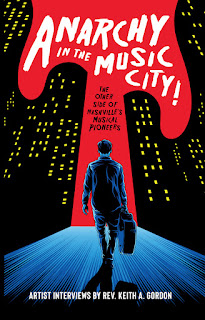
Anarchy In The Music City! is an oral
history of the origins and evolution of Nashville's alternative music scene
as told by the pioneers that made the music. Using artist interviews culled
from the pages of Rev. Keith A. Gordon's critically-acclaimed book
The Other Side of Nashville, this illustrated volume includes
conversations with both well-known music-makers like Jason & the
Scorchers, Webb Wilder, Tony Gerber, David Olney, and Chagall Guevara as
well as regional cult rockers like Tommy Womack, the Dusters, Donna Frost,
and Aashid Himons, among many others.
The “Reverend of
Rock ‘n’ Roll,” Rev. Gordon has been writing about rock and blues music for
50 years. A former contributor to the All Music Guide books and
website, and the former Blues Expert for About.com, Rev. Gordon has written
or edited 25 previous music-related books and eBooks, including
Blues Deluxe: The Joe Bonamassa Buying Guide, Planet of Sound,
The Other Side of Nashville, and
Scorched Earth: A Jason & the Scorchers Scrapbook.
Buy an autographed copy for $14.99 directly from the Reverend:
Rock ‘n’ roll has long been the voice of the working man and woman. From the
R&B rave-ups of Chuck Berry to John Fogerty’s finely-drawn songs to the
Motor City anthems of Bob Seger and beyond, the music has reflected the blue
collar worker in a way that even country and the blues has been unable. It has
expressed the joy, the fears and the passions of the average American, and
although it’s largely too “untrendy” these days to hit the hype-driven sales
charts, ‘blue collar rock’ is still alive and well, a thriving milieu for a
diverse breed of poets and prophets.
Bruce Springsteen’s The Ghost of Tom Joad
During the 1980s,
Bruce Springsteen
became the predominate voice of the working class, with rocking anthems like
“Born In the U.S.A.” or the more introspective “My Hometown” championing the
average man and woman and their cause. It was during this period of time that
he experienced his greatest commercial success as an artist, and it was during
this time that he began the process of political self-awareness that would
eventually lead to The Ghost of Tom Joad. Touring the country endlessly
during mid-decade, Springsteen began to get involved with “causes,” performing
benefit shows for various organizations and donating some of his hard-earned,
if newly found wealth to food banks and funds for laid-off workers (which is
when he first crossed paths with Joe Grushecky).
The more
politically-oriented of us among his fan base have waited for Springsteen to
cut loose with a more radical lyrical perspective for years. With
The Ghost of Tom Joad, Springsteen has made that artistic statement,
phrasing it in the language of folk artists like Woody Guthrie and backing it
with a sparse, minimal acoustic soundtrack that emphasizes the lyrics and
creates an atmosphere as dark and desolate as the songs themselves often are.
The last relic of a musical age almost a decade gone, Springsteen reinvents
himself with this album, in a way that even his folksy
Nebraska couldn’t. The album’s format as radical as the statement it
makes. Nearly fifteen years into the ongoing destruction of the great American
middle class, The Ghost of Tom Joad describes what we’ve lost in terms
stronger and sadder than any artist of Springsteen’s stature ever has.
Springsteen
has been moving in this direction for quite some time, if articles and
interviews are to be believed. It was his chance discovery of the wonderful
1985 book Journey To Nowhere by writer Dale Maharidge and photographer
Michael Williamson, however, that inspired Springsteen to create
The Ghost of Tom Joad. A collection of stark, ultra-realistic images
from America’s growing underclass, matched by Maharidge’s terse prose,
Journey To Nowhere is an excellent and damning documentation of the
Reagan legacy. The Ghost of Tom Joad strives to become the aural
version of the book, and does a fine job of it, Springsteen’s tightly-wound
and desolate tales of life in the new world presenting a disturbing vision of
the America of the ‘90s.
Youngstown
Vivid imagery abounds in every song, Springsteen outdoing even his usual
high standards. Referring to his early material, where the road was a metaphor
for escape and fraught with endless possibility, these days it’s just another
dead end. “The highway is alive tonight/But nobody’s kiddin’ nobody about
where it goes....” sings Springsteen on the title cut, the song a lyrical
portrait of the dispossessed. “Hot soup on a campfire under the bridge/shelter
line stretchin’ ‘round the corner/welcome to the new world order/families
sleepin’ in their cars in the Southwest/no home no job no peace no rest.”
The subject matter of
The Ghost of Tom Joad is diverse and all-inclusive, its characters
brilliantly portrayed, from the ex-con desperately trying to stay true in the
face of temptation on “Straight Time” to the border patrol officer questioning
his life in “The Line.” From the homeless to the haunted, the hustlers looking
for a quick buck or the forlorn lover, The Ghost of Tom Joad relates their
story. Perhaps the most moving moment is with “Youngstown,” the story of a
lost steel mill town.
The song’s protagonist, a mill worker, sees
his life slipping through his hands, the company he once slaved for, working
the furnaces, tossing aside loyalty in favor of profit. He struggles
against fate, the song’s true ending unexpressed. Some may question
Springsteen’s ability to relate to this subject matter, a self-made
millionaire years separated from his hungry days. Springsteen’s talent has
always been in the telling, however, and the impact that these stories have on
the listener is equal to the force that the disturbing truth has had on the
writer. These are heartfelt songs, masterfully rendered and every bit as
sincere and real as any street poet or rapper.
The Rev’s Bottom Line
Springsteen is shunned by a young audience as irrelevant, an artist of
their parent’s generation that has little to say to them. They’ve latched onto
sad clowns like Marilyn Manson, Smashing Pumpkins, or Nine Inch Nails, popular
and entertaining performers who nonetheless don’t possess a wisp of
Springsteen’s talent and ability. The angst of the younger generation may be
appealing, generating brief careers and a few oddly interesting creative
moments; Springsteen’s talent as a artistic mirror reflecting society has been
unmatched since Dylan’s early days and is every bit as vital and necessary
today as it ever has been. (Columbia Records, released November 21st, 1995)
Review originally published by R.A.D! music zine, Spring 1996
As the frontman for the Georgia Satellites,
Dan Baird
experienced his small share of success. The band’s three collections of
1970s-styled, stripped-down, primal rock ‘n’ roll yielded a handful of minor
hits and an unqualified classic in “Keep Your Hands To Yourself.” It was Baird’s
first solo disc, however, 1992’s impressive
Love Songs For the Hearing Impaired, on which his songwriting talents truly blossomed, his skills as a guitarist
also showcased by a fine collection of tunes.
Almost four years have
passed since that initial effort, during which time Baird played on and produced
a fine album by Nashville’s Ken McMahan and toured with fellow Southern rocker
Terry Anderson and former Del Lord Eric Ambel in a loose-knit but highly-rocking
entourage called the Yahoos. Somewhere in between, Baird found time to pen the
songs that make up Buffalo Nickel, a near-classic of Southern rock that
bridges the gap between where country music has been and where rock music is
going.
Dan Baird’s Buffalo Nickel
With help from producer Brendan O’Brien (who also contributes a fair
amount of instrumental talent, as well), Nashville bassist extraordinnaire
Keith Christopher, and former Satellites bandmate Mauro Megellan on drums,
Baird’s Buffalo Nickel is a hot, sticky slab of Southern-fried funk
with a side of sizzling guitar rock. Baird has never been shy about his
preference of musical styling, drawing heavily from the well of ‘70s-era
guitar rock with just enough Hank-inspired country twang thrown in to reveal
the work’s Southern origin; judged in this light,
Buffalo Nickel certainly doesn’t stray far from its roots.
Unlike
the blues-infused rock of Joe Grushecky, or even Springsteen’s earlier
material, Baird’s creative output reflects the working class nature of his
predominantly Southern audience. This is rock ‘n’ roll for folks that show red
necks beneath their blue collars, the same sort of listeners that once
championed bands like Lynyrd Skynyrd and Molly Hatchet. Unlike those artists,
however, Baird shows more British influence (i.e. the early classic rock of
the Stones and the Faces) alongside the spirits of Hank Williams and Ernest
Tubb. This audience wants its rock loud, electric and with no sign of the
intellectual pretension or dedication to fashion shown by many trend-oriented
bands.
Baird doesn’t disappoint. The cuts on
Buffalo Nickel are solid rockers, from the rockabilly-touched “Little
Bit” to a raucous, inspired cover of Joe South’s “Hush” (with vocal assistance
from South himself) or the syncopated rhythms and buried vocals of “Hit Me
Like A Train.” The funky riffs shown on “Cumberland River” are part of a
long-standing Southern musical tradition, belying the song’s lyrical criticism
of Nashville as “an empty promise, soulless and hard as stone.” The irony of
Baird’s use of this particular musical style underlining a poetic damnation of
a “Music City” that often turns its back on tradition is not lost on this
Nashville-based critic. “Hell To Pay” is a good ol’ Dixie-styled tale of
retribution that utilizes the imagery of fire and brimstone to smite critics
and enemies, while “Trivial As the Truth” – which would make a great radio cut
if every “progressive” station wasn’t too busy playing Nirvana and Pearl Jam
every hour – is a great lyrical “piss off” to everyone trying to hold the
spirit of rock ‘n’ roll down.
The Reverend’s Bottom Line
Baird’s work continues to improve with Buffalo Nickel. Age and
experience, in this case, do equal a certain hard-won wisdom, and even if
Baird continues to work in as untrendy a milieu as he does, there’s nobody
better at cranking out tunes like these. He may never again sell a million
records or receive anything close to significant airplay, but he can make a
living with work as good as this, and have a hell of a lot of fun along the
way. (American Recordings, released 1996)
In a city like Nashville, filled with mostly mediocre songwriters churning out
tunes for Music Row’s country music machine, it’s always a breath of fresh air
to hear
Mark Germino. One of the city’s greatest underrated and overlooked talents, Germino stands
tall alongside wordsmiths like Steve Forbert, Bill Lloyd, and Steve Earle who
don’t quite fit into the system, square pegs in a round hole world who are
creating some of the best music that you’ll ever hear. Case in point:
Rank & File, Germino’s wonderful acoustic collection from late
‘95.
Mark Germino’s Rank & File
Germino is a story-teller, more in the vein of a Dylan, perhaps, than
either Bruce Springsteen or Joe Grushecky, although he brings to his work more
country, rather than folk, influences. Germino is working class all the way, a
self-described “politically incorrect, liberal redneck.” With an artist’s soul
and a wanderer’s experience, with more angry attitude and self-righteous
frustration than any punk rocker could ever muster, Germino breaths life and
energy all of its own into every song that he puts to music and sings.
From
the self-crucifixion of the artist in “Poet’s Lament” (“Well the poet laid his
pencil down/excused himself and took/A loaded pistol in his hand/and shot
himself in the foot”) to the not-so-subtle social commentary of “Field’s of
Man’s New Order” (“I don’t like your tabloids, I don’t like your networks/they
manipulate me while keeping me informed/your misuse of headlines, your sad
propaganda/I hate your self interest as sure as you’re born”), Germino has an
eye for the small details that effect our lives, and the superb ability to
relate them in stories that will touch us.
With “Fire In the Land
of Grace,” a fanciful retelling of the singer’s visit to Graceland, Germino
takes back the spirit of rock ‘n’ roll and delivers Elvis from purgatory,
while “Rosemary’s New Constitution” is a call to arms for the average man, a
fantastic outline of a utopian nation: “And all the blacks own the food and
the whites own the fuel/and the natives own the land so they’re covered/the
rich own the schools, the poor own the banks/so we’re all forced to deal with
each other.” Germino’s songs often express radical ideas, related simply
through song without the bombast and bullshit that often accompany public
discourse.
Rex Bob Lowenstein
Even for a songwriter as masterful as Germino, he sometimes outdoes even
his best work. “Felix Tucker’s Biggest Lie” is one such moment, a classic
story of “an honest man from the hills of East Tennessee” that evokes the
spirit of an innocence long passed, a tale of morality that showcases
man’s constant philosophical struggle with what’s right and what’s wrong. The
song’s chorus, the delightfully paradoxical “And he was and he is and he will
be, he’s been honest since he was a kid/but the biggest lie that he ever told
is the most honest thing that he ever did” perfectly frames the verses (and
the moral) sung in between. Delivered in a Delta-influenced, talking blues
style, “Felix Tucker’s Biggest Lie” is a perfect example of art at its best,
entertaining and thought-provoking. To go into too much detail would weaken
the song’s strength; you’ll just have to check it out on your own.
Rank & File’s other transcendent moment is in the story of “Rex Bob Lowenstein,” retold
from Germino’s electric album Radartown. The song’s protagonist, a
mythical deejay at radio station W.A.N.T. is the music lover in all of us,
playing a loose format of songs: “You can call and request Lay Lady Lay/he’ll
play Stanley Jordan, U2 and Little Feat/he’ll even play the band from the
college down the street.” Rex Bob is a champion for music in all of its
diversity, a friend on the box that will play your tunes and keep you company
(a purpose that radio serves for many late-shift and all-night workers who
fight fatigue with the songs sent out across the airwaves).
The
station, of course, changes formats and Rex Bob, like many of the talents of
his generation, is sent out to pasture (albeit not quietly). The song is less
about what we’ve gained by technological advances in entertainment (equipment,
formats, delivery systems) and more about what we’ve lost by placing profit
before pride and personality. At once both tragic and triumphant, “Rex Bob
Lowenstein” may well be the most fervent damnation of corporate domination in
the entertainment world that will ever be written.
The Reverend’s Bottom Line
Germino collected a fine group of musicians to play on
Rank & File. Veteran Mac Gayden, a talented songwriter in his own
right, offers his multi-instrumental skills, while bassist Tom Comet played
previously with Germino on Radartown. Drummer Pat McInerny keeps the
entire affair solid, while keyboardist Michael Webb’s contributions are
subtle, though necessary. They’ve together created a soundtrack that is sparse
and minimalist, perfectly echoing the spirit and nature of these songs. Like
those artists mentioned alongside him in this piece, Germino offers music
direct from his heart, allowing the songs to speak for him, and, by extension,
for us, as well... (Winter Harvest, released 1995)
Review originally published by R.A.D! music zine, Spring 1996
A restless soul, seemingly from day one, the late guitarist Gary Moore was never satisfied with pursuing a single style of music. While his roots were in the blues, and his first band of note – the original Skid Row – was firmly a part of England’s thriving late ‘60s blues-rock scene, Moore jumped from bands and styles as easily as changing shirts, playing with Thin Lizzy (hard rock), Colosseum II (jazz-rock fusion), and Dr. Strangely Strange (folk-rock), among others. As a solo artist, Moore excelled at the blues, hard rock, and heavy metal while, as a hired gun in the studio, he recorded with artists as diverse as Greg Lake and Keith Emerson (ELP), the Beatles’ George Harrison, the Beach Boys, and even bluesman Otis Taylor.
Moore was at his best as a live performer, and he has a half-dozen live discs in his catalog. He was as close to a regular at the Montreux Jazz Festival in Switzerland as an artist could be, first appearing at the famed event in 1990 and returning for performances six or seven times subsequently. Sadly, the guitarist’s July 2010 performance at the festival would be his last, albeit one of his best. Reuniting with estranged former bandmate Neil Carter (UFO, Wild Horses), Moore put together a new band to tour the summer of 2010, leaving much of his blues-oriented material of recent years behind in favor of a hard-rocking bit of nostalgia for material from his mid-‘80s albums recorded with Carter. Moore’s Live At Montreux 2010 is the last recorded work from the legendary guitarist, and a perfect showcase for his multi-faceted talents as a singer, guitarist, and songwriter.
Gary Moore’s Live At Montreux 2010
Starting with a thundering drumbeat, Moore asks the crowd, “are you ready?” before launching into the lightning-strike intro to his classic Celtic-rock gem “Over the Hills And Far Away.” A U.K. hit from his 1987 Wild Frontiers album, the performance here takes on an eerie, ethereal feel with Moore’s elegant fretwork dancing atop the band’s crashing instrumentation. Moore’s recurring riff hits hard, his solos cut to the bone, the band chimes in with gang-fight harmonies, and the song’s wistful, poetic lyricism is a testament to Moore’s often-overlooked, anthemic songwriting skills.
Another mid-‘80s U.K. hit, “Military Man,” was originally performed by Moore’s friend and former bandmate, Thin Lizzy’s Phil Lynott. Taken from 1985’s Run For Cover album, the song’s anti-war screed is bolstered by a martial rhythm, screaming guitars, and explosive bass and drums before it breaks down into an obviously Lynott-styled soulful vocal break, which itself is accompanied by a beautiful, winsome Moore solo. The Top Five hit “Out In the Fields,” from the same album, was a Lynott/Moore duet; here it’s performed more forcefully than the original, with rapidly-paced rhythms, vocal harmonies almost buried beneath the instrumentation, and taut fretwork that walks a fine line between hard rock and heavy metal in style and fury.
Back To The Blues
Moore’s 2010 Montreux performance wasn’t totally devoid of the guitarist’s blues influence. The mid-tempo ballad “Where Are You Now” displays a certain bluesy hue in both Moore’s somber, melancholy vocals and in some of his rattling guitar phrases. Moore’s pastiche of the instrumental “So Far Away” with his own “Empty Rooms” is another example; the former cleverly mixes jazzy licks and a blues undercurrent with a rock ‘n’ roll heartbeat while the latter blends blues and rock guitar beneath Moore’s mournful vocals. An inspired cover of Jimmy Rogers’ Chicago blues classic “Walking By Myself” is pumped up on steroids, rocking full-tilt with swinging rhythms and Moore’s fluid guitarplay layered in behind his playful, joyous vocal performance.
Live At Montreux 2010 includes the performance of three new songs that Moore had written for what was going to be a Celtic rock-styled album that would be interrupted by his tragic death. “Oh Wild One” is the best of these, a rollicking, raging ode to a friend (Lynott?) that displays some of Moore’s most powerful, albeit nuanced fretwork. The song is a cross between Thin Lizzy and the Pogues, and is Irish to the bone. “Days of Heroes,” another new song, is Moore’s take on early Lizzy, an anthemic toast to days gone by with Celtic-flavored twin guitars, a larger-than-life soundtrack, Moore’s passionate vocals, and a monster solo that takes the guitarist around the world, from Ireland to the U.K. to American blues, and back to the Emerald Isle. The album closes with another Lynott co-write, the hauntingly beautiful “Parisienne Walkways,” wherein Moore reveals his Peter Green influences with a tearful ballad that showcases both the guitarist’s softer, bluesy side and his heavy metal shred.
The Reverend’s Bottom Line
Truth is, there’s but a scattering of blues to be found on Live At Montreux 2010, mostly in the grooves of a handful of songs, and all over the wonderful “Walking By Myself” cover. But that eclecticism is a large part of Moore’s appeal to his fans…much like his contemporary Jeff Beck, one never knew where Moore’s muse would take him.
Fans of Moore’s edgy blues-rock albums like Scars or Bad For You Baby might be disappointed by this one, while those of us who appreciate Moore in whatever milieu he chose at the time of recording will delight in Live At Montreux 2010 as not only a document of a stunning performance, but a fitting and proper swansong for the artist as well. (Eagle Records, released September 20, 2011)
It’s been said by some that if drive down Highway 100, south outta Nashville and
through the sleepy little burg of Fairview, you’ll find an old dirt road at the
Hickman County line. You follow this road back through the woods ‘til you find
the gnarled tree where the strange chickens roost all day and night. From there,
you take the gravel trail on the right, go down the hollow past Lady Sniff’s
shack (pay no attention to the sirens’ wail that you’ll hear coming from behind
those walls) to arrive at the crossroads. Pick the right fork, and it’ll take
you down through the knotty kudzu gateway to the edge of the ole swamp…
Th’ Legendary Shack*Shakers’ Swampblood
Now, you have to be careful when going down there, ‘cause much like
Rudderville or Kingfield, folks ‘round these parts get a might touchy if they
don’t know you. If you’re drivin’ too nice or too new of a car, the ‘shiners
might toss a few rounds your way thinkin’ that you’re a Revenue agent or some
other sort of Federale. Tales say that the swamp is haunted by the ghosts of
several Delta bluesmen that gave up thriving careers and settled down right
here, working as farmhands in the nearby tobacco fields. On Saturday nights,
they’d get together with cigar-box guitars and harmonicas and they’d sing.
Somebody would drag some sort of scaly critter out of the swamp and cook it up
for dinner, washing down the dubious feast with some clear, vicious,
foul-tasting liquor.
If you have a mind to venture out into
that neck o’ the woods, I’d suggest that you first make sure that you’re
driving the right kind of car…nothing too flash or too Hollywood, and
certainly nothing made by the flan-factories of Detroit after 1980. Maybe some
sort of early-70s Mopar, like a Charger or Satellite, preferably one with a
few well-earned rust holes, missing chrome and a dirty old sock stuffed in the
gas nozzle. Nobody down around the swamp will look at you twice, especially if
you’re rattlin’ Swampblood, the latest-and-greatest from th’ Legendary
Shack*Shakers, out of your vintage quad sound-system. With the Col. J.D.
Wilkes as your co-pilot across these perilous killing fields, you’re assured
of getting back home alive and kickin’.
Feedback-whipped howls and
nancy banjo-pickin’ comprise the brief instrumental “Dawn,” sounding right at
home surrounded by hanging vines and cypress trees. It’s the perfect-fit intro
to “Old Spur Line,” Swampblood’s kick-off tune and as nasty a slice o’
greasy redneck funk as you’re likely to hear these days. The Colonel’s vocals
are slightly echoed in the mix as he spits out this cautionary tale of
traveling into places that you shouldn’t oughta. The band shuffles along, a
minor thunderstorm behind Wilkes’ haunting vocals. “Hellwater” begins with an
authentic Tony Joe White guitar lick, David Lee channeling the spirit of John
Campbell as he picks out a familiar poke-salad riff and Wilkes belts out a
song about the wages of sin.
Appalachian Hillbilly Hoedown
Properly warmed up by this time, the Colonel and his instrumental army take
Swampblood up a notch; “Easter Flesh” sounds vaguely Middle Eastern in
flavor, with circular riffs and martial rhythms, Wilkes’ up-tempo vocals
bringing some sort of nasty Biblical judgment to the poor unfortunate souls
who resist salvation. The title cut takes us further into the murky water than
we’ve ever been before, the song a raucous, compelling number with manic harp
work and fire-and-brimstone lyrics sung in a possessed voice. Lee’s trebly
fretwork fuels the song’s instrumentation, a rhythmic assault that is as dense
as the morning fog on the bayou.
From this point,
Swampblood descends further into alcohol-fueled madness, each
performance proudly wearing the sweat and fervor of a backwoods preacher as
the Colonel puts his boys through their paces. “Cheat the Hangman” is like a
runaway freighter jumping the tracks and diving headfirst into a muddy river
while “Born Again Again” is an old-timey spiritual with a jug-band soul and a
church-pew heart. “The Deadenin’” proves that it’s not nice to fool with
Mother Nature, the song an environmental anthem that has Wilkes’ howlin’ at
the moon while the band kicks out a wily, smoke-tinted and disturbing
soundtrack behind the Colonel’s gnashin’-and-wailin’ vocals.
There
are several more gems hidden in Swampblood’s grooves that will tickle your
imagination, like “Jimblyleg Man,” an Appalachian hillbilly hoedown with spry
fiddle playin’ and plenty o’ words about some sort of wicked sprite, an
imaginary evil like the chupacabra down in south Texas or West Virginia’s
mothman. “He Ain’t Right” is a rockabilly rave-up that reminds one of Hasil
Adkins. “Angel Lust” has a jazzbo sound that kicks your ears like Professor
Longhair jammin’ with Cab Calloway while Brett Whitacre’s tribal drumbeats and
tasteful fills play along nicely with Mark Robertson’s muscular upright bass
as Wilkes’ swinging vocals take up any remaining slack. Whitacre adds the
accompanying patterns behind the Colonel’s mighty potent
stream-of-consciousness rant “Preachin’ At Traffic.”
Swampblood finishes much like it started, with the somber crosspatch
“When I Die” leading into the fading hill country banjo-maul that is “Bright
Sunny South.”
The Reverend’s Bottom Line
Swampblood is th’ Legendary Shack*Shakers’ fifth studio album, and if
the band never evolves into world-beaters, they’ll always deliver exactly what
you’d expect them to: a combustible blend of roots-rock, honky-tonk country,
electric blues and retro-rockabilly. Yeah, they may be a throwback to a
simpler, highly-rocking time, and hopelessly out-of-step with today’s musical
trends. But as the Colonel says, “I dream in sepia, mono and Beta” – as
defiant a statement of Luddite fist-shaking as has been committed to tape. I
wouldn’t expect th’ Legendary Shack*Shakers to headline the Pitchfork
Festival, but if I ran into them at a cockfight, I’d buy ‘em a mason jar of
whatever they wanted to drink… (Yep Roc Records, released July 16th, 2007)
Review originally published by the Cashville411 website, 2007
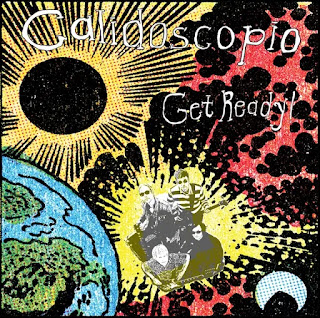
Calidoscopio – Get Ready! (Jargon Records) Roaring out of the Flower City with sabers rattling and amps cranked up
to eleven, at first blush Calidoscopio sounds like just another talented bunch
of 1960s-styled garage-rock revivalists with six-string Sturm und Drang.
Further spins of Get Ready! reveal hidden charms, however. The album is
an international affair, members of Germany’s Golden Coats collaborating
alongside Rochester NY’s Dave Anderson, with guest performances from
Australia’s Joey Bedlam (Dollsquad) and garage-rock deity Sky Saxon (from
beyond the grave). While the LP cover gives off serious Jack Kirby/psych-rock
vibes, songs like the scintillating title track – with big beat drums, gang
vocals, and twangy fretwork – evince a timeless, electric, rock ‘n’ roll
sound. “The Lanky Gunman” mixes trembling ‘Spaghetti Western’-styled guitar
strum with wall-of-sound instrumentation and an eerie story-song while a
long-lost monologue from the Seeds’ frontman Saxon is integrated into “Green
Forest,” a spacey, hippie-rock screed. “Demon Child” honors its shockabilly
roots, benefiting from Bedlam’s breathless vox and Anderson’s jagged guitar
licks while the punky “Koko the Gorilla” mixes Hasil Adkins with the Electric
Prunes for a raucous good time. Calidoscopio’s Get Ready! provides a
mind-bending trip back to the future with a timeless sound that is both
familiar and yet innovative.
Grade: A
BUY!
Deep Purple –
Turning To Crime (Ear Music) British rock legends Deep Purple are in their sixth decade as a band and
although they’ve never been adverse to recording the odd cover song (their 1968
hit “Hush” comes to mind), they’ve so far resisted the urge to record an album
exclusively of covers…until now. Turning To Crime is a collection of
twelve of the band’s favorites, ranging from bluesy 1950s-era R&B (Huey
‘Piano’ Smith’s “Rockin’ Pneumonia and the Boogie Woogie Flu”) and ‘60s psych
(Love’s “7 and 7 Is”) to blues-rock (Cream’s “White Room”) and beyond. Although
the current band is quite adept at playing any sort of music, Gillian’s aging
pipes betray his intent at times. Still, Turning To Crime is quite the
live wire, the band pulling off the performances more often than not. Fleetwood
Mac’s classic “Oh Well” is given an altogether new coat of (hard rockin’) paint,
the Yardbirds’ “Shapes of Things” is provided a stout psychedelic-pop sheen and,
surprisingly, Little Feat’s “Dixie Chicken” is an excitingly funky strut. Bob
Seger’s “Lucifer” is a deep-cut that mixes guitar-driven hard rock and Memphis
soul, but it’s the album-closing Southern rock-inspired medley (with tunes by
Booker T, Don Nix, Gregg Allman, and Steve Winwood) that will turn heads.
Grade: B+
BUY!
Tom Guerra –
Sudden Signs of Grace (Casa del Soul Records) Tom Guerra began his career nearly 40 years ago as a member of outfits
like the Dirty Bones Band and the Mambo Sons. Guerra launched his solo career
with 2014’s All of the Above and came to our attention with 2018’s
acclaimed
American Garden. Recorded during the pandemic, Guerra’s fourth solo effort,
Sudden Signs of Grace, offers up everything that’s great about the artist
– finely-crafted songs, hypnotic melodies, intelligent lyrics, and stellar
guitarplay, all neatly packaged into three-minute, radio-friendly songs.
Although Guerra dishes up a couple of nifty covers here – perfectly capturing
the angst of Eddie Money’s “Gimme Some Water” with his fiery guitarplay while
Harlan Howard’s country classic “The Streets of Baltimore” is provided a
suitably melancholy, twang-drenched performance – it’s Guerra’s original
material that really shines. “Lonely No More” is a gorgeous power-pop song with
Duane Eddy-inspired guitar and winsome vocals; the jaunty “Lover’s Time” is a
charming amalgam of the Byrds and Big Star; and the honky-tonk flavored “Down
the Farm” rides on Guerra’s rapid-fire vocals, rollicking piano-play, and wiry
fretwork. There’s not a duff track to be found on Sudden Signs of Grace,
Guerra delivering an inspired collection of rock ‘n’ roll full of heart and
soul. (See the video, below!)
Grade: A
BUY!
The Specials –
Protest Songs 1924-2012 (Island Records) God bless ‘em, the Specials still crank it out 40+ years after the band’s
exhilarating debut. Breaking up in the mid-‘80s, several members reunited in
1993, and they’ve carried on ever since, releasing a handful of albums since
reuniting, including 2019’s critically-acclaimed Encore. Crucially, the current
line-up includes Specials’ founders Terry Hall, Lynval Golding, and Horace
Panter. Protest Songs 1924-2012, is an exciting collection of themed
cover songs inspired by the George Floyd protests of the summer of 2020. An
eclectic collection it is, too, including classic material by the Staple
Singers, bluesman Big Bill Broonzy, Bob Marley, the Dixie Jubilee Singers, and
Frank Zappa, among others. The Specials are a long way from their days as ska
revivalists, pursuing a soulful, R&B-drenched sound as evinced by their
reading of Pop Staples’ powerful civil rights ode “Freedom Highway.” The Mothers
of Invention’s “Trouble Every Day” is provided an appropriately menacing tone,
complete with scorching guitars, while Leonard Cohen’s “Everybody Knows” is sung
in Cohen’s droll style. The Wailers’ “Get Up, Stand Up” offers a powerful,
albeit subdued performance that emphasizes Peter Tosh’s defiant lyrics. Totally
unexpected, but pleasantly surprising, the Specials’ Protest Songs is one
for the ages.
Grade: A-
BUY!
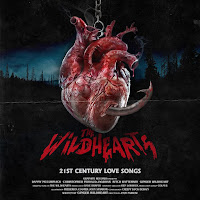
The Wildhearts – 21st Century Love Songs (Graphite Records U.K.) Wildhearts founder Ginger got the gang back together in 2012 for a series
of gigs that led to a live album, but the reformed band wouldn’t go into the
studio until 2019’s acclaimed Renaissance Men. With the
brand-spankin’-new 21st Century Love Songs, the band comes full-circle,
delivering its 10th studio work. It’s a real banger, too, with plenty of the
Wildhearts’ trademark melodic hard rock that often times teeters on the razor’s
edge of heavy metal. For instance, the album-opening title track hits your ears
like a sledge, combining an erudite Mott the Hoople-style of British rock ‘n’
roll with thrashy molten slag. Much of the rest of
21st Century Love Songs follows a similarly-skewed blueprint:
“Institutional Submission” sounds, at times, like Killing Joke on steroids until
the vocal harmonies and elegant fretwork chimes in while “Sleepaway” could pass
for a harder-rocking Cheap Trick. Underneath the instrumental clamor you’ll
unearth undeniable melodies, often accompanied by football hooligan harmonies
running interference for Ginger’s sweeter tones. Ginger could have been a hella
successful pop star if he’d chosen a less debauched path but, lucky for us, he’s
walked a sleazier, obstacle-strewn road to rock ‘n’ roll nirvana for almost 30
years now.
Grade: A
BUY!
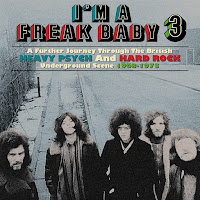
Various Artists – I’m A Freak Baby 3 (Grapefruit Records/Cherry Red U.K.) The late ‘60s and early-to-mid-‘70s provided an abundance of interesting
rock ‘n’ roll as bands discovered their muse and experimented musically. This is
the third volume in the U.K. archivists Grapefruit Records’ “Freak” series,
exploring the exciting new sounds of 1968-1973, and it’s every bit as
entertaining as the first two sets. Featuring 53 songs spread across three
discs, they follow a simple blueprint – offer a few scattered obscurities by
well-known bands (Free, Thin Lizzy, Deep Purple, Uriah Heep, Mott the Hoople,
Procol Harum) and mix in songs by lesser-known but period-essential groups
(Hawkwind, Spooky Tooth, Stray, Trapeze, Nazareth, Tear Gas). It’s when the
madmen at Grapefruit dig into the pits that it gets really interesting, though,
and I’m A Freak Baby 3 also includes rare (collectible) 7-inchers from
diverse artists like Quatermass, Mighty Hard, Curtis Knight Zeus, and Steam
Hammer and then caps off the set with previously-unreleased music from folks
like Stack Waddy, T2, Red Dirt, Wicked Lady, and the Yardbirds (!). Toss in
toons by cult rockers like Leaf Hound, Killing Floor, Third World War, and
Budgie and you have yourself a party, I’m A Freak Baby 3 providing a lot
of bang for yer hard-earned buck!
Grade: A
BUY!
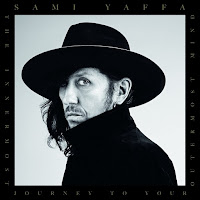
Sami Yaffa –
The Innermost Journey To Your Outermost Mind (Livewire Records) After 40 years in the trenches, former Hanoi Rocks and New York Dolls
bassist Sami Yaffa finally got around to recording a solo album and, as one
might expect, it’s a flamethrower. Yaffa approaches rock ‘n’ roll with a fierce
Johnny Thunders/Stiv Bators aesthetic and songs like the album-opening
“Armageddon Together,” a devastating take on modern religion, reflect this crash
‘n’ burn style of hard rock. There’s more than meets the eye here, tho’ –
Yaffa’s undeniable sense of rhythm adds melody to cod reggae tunes like the
mesmerizing “Rotten Roots,” which crosses the Clash with Lee “Scratch” Perry or
“You Gimme Fever,” which pairs a deep Sly/Robby groove with lusty lyrics and
elegant fretwork to great effect. “Fortunate One” flat-out rocks (not dissimilar
to Lords of the New Church), with Yaffa’s whiplash vox punctuated by Michael
Monroe’s bleating saxophones while “Germinator” slaps yer eardrums like a
nail-studded baseball bat, fueled by Monroe’s raging harmonica and guitarist
Christian Martucci’s razor-blade licks. “Cancel the End of the World” sounds
downright Pink Floydish, with lofty vocals and gorgeous, atmospheric
instrumentation. Yaffa is no one trick pony, displaying the many facets of his
enormous instrumental and songwriting talents with
The Innermost Journey…Grade: A-
BUY!
Texas blues guitarist
Gary Clark, Jr. made quite a splash with his full-length 2012 major label debut
Blak and Blu. The album’s mix of incendiary fretwork, soulful vocals,
electric blues, and old-school R&B with a hip-hop edge turned many people’s
heads, announcing that a major new talent was on the scene. Clark was
“discovered” by Eric Clapton, who invited the young guitarist to the 2010
Crossroads Guitar Festival, his subsequent history-making performance (captured
on the DVD of the event) gaining Clark a major label contract and a certain
degree of notoriety.
Still, as good as Blak and Blu might
have been, many still had doubts – especially the blues cognoscenti, who were
hoping for another Stevie Ray Vaughan clone (as if we didn’t already have enough
of those ragdolls gigging around…) – while traditionalist shook their collective
heads in mild disdain. Truth is, Clark was already a seasoned veteran by the
time that Clapton enlisted the guitarist to bring a shot of vitality to the
Crossroads event. Some 26 years old in 2010, Clark had been playing in and
around Austin, Texas since he was a young teenager, and he already had three
independently-released albums under his belt by the time he took the stage at
Crossroads.
Gary Clark Jr.’s Live
In spite of his experience, Clark’s Blak and Blu came as a
revelation to many of us, and the album’s accessibility, along with the talent
on display in the grooves, helped enlist a legion of new blues fans to the
genre. Blak and Blu rose as high as number six on the
Billboard Top 200 albums chart, and dominated the blues chart for over a
year from either the number one or number two position. Still, many critics put
down the album’s overly-slick production qualities, with producer Rob Cavallo
sanding down every rough edge to make the songs pop-radio friendly. Too, many
questioned Clark’s dedication to the blues in the face of the album’s rock and
hip-hop influences. Nobody stopped to think that the guitarist was simply having
fun with his sonic palette and the possibilities his talents enable. No matter,
‘cause Clark’s two-disc Live set should put paid to any critic’s concerns.
The
opening chords of Live should put to rest any doubts about Clark’s blues
authenticity. Tackling the traditional “Catfish Blues,” credited to Muddy Waters
by way of Robert Petway, the young guitarist imbues the performance with plenty
of Delta mud, but embroiders the antique arrangement with bluesy,
psychedelic-tinged guitar that owes as much to Jimi Hendrix as it does to any
Mississippi string-bender. Clark proves his songwriting bona fides with the
original “Next Door Neighbor Blues,” a stomping, snortin’ blues-rock dirge with
huge dinosaur guitar riffs, distorted guitar, anguished vocals, and
finely-crafted story-song lyrics that one could easily hear Howlin’ Wolf wailing
away on while Hubert Sumlin tears up the guitar behind him.
Three O’ Clock Blues
Clark displays his flexibility as an artist and performer with the raucous
“Travis County,” a rollicking, rockabilly-tinged, Chuck Berry-styled runaway
train that lyrically features another tale of woe while the band choogles along
at 90mph, drummer Johnny Radelat keeping time with the biggest of beats. The
performance is enhanced by dueling solos, rhythm guitarist King Zapata bringing
the twang while Clark adds the blistering heat. The highlight of the first disc,
however, is Clark’s nuanced cover of B.B. King’s classic “Three O’ Clock Blues.”
The young guitarist perfectly captures the master’s blend of jazzy licks and
bluesy ambiance, his tortured vocals channeling plenty of emotion and
heartbreak. It’s an inspired performance, and one that proves that the blues run
deep in Clark’s soul.
The second disc of Live opens with the
thunder and lightning of Clark’s “Ain’t Messin ‘Round,” the band playing an
extended instrumental intro that’s heavy on the martial rhythms while Clark and
Zapata throw around guitar licks like laser beams. Clark’s vocals are smooth,
with just a hint of fracture around the edges, evoking memories of old R&B
crooners like Otis Redding or Solomon Burke, but the soundtrack is pure Southern
soul with a bit of rock ‘n’ roll. Clark further shows the depth of his blues
knowledge with a spot-on cover of Albert Collins’ “If Trouble Was Money.” With a
shimmering six-string intro that sounds like sun glinting off a sheet of ice,
Clark lays down a vibe every bit as frosty as the Iceman once did. Clark plays
it straight, mimicking Collins’ existential angst while still managing to bring
a contemporary relevance to the song – after all, neither trouble nor money ever
go out-of-date.
Third Stone From The Sun
One of the high points of Blak and Blu was Clark’s mash-up of Hendrix’s
“Third Stone From The Sun” with Memphis bluesman Little Johnny Taylor’s “If You
Love Me Like You Say” (a song also covered by Collins, and Danny Gatton too,
among others). The fusing of two apparently different styles (and eras) sound
like it would be a ramshackle construction at best, but in Clark’s hands, he
finds the energy at the heart of both and welds them together with his
incredible fretwork. The fluid psych-drenched instrumentation of “Third Stone”
evolves organically into a funky Bluff City backbeat, Clark’s delivery of
Taylor’s tale of love-gone-bad perfectly framed between heartbreak and bravado,
the argument further bolstered by Clark’s shape-shifting solos. By contrast,
Clark’s “Please Come Home” is a lovely throwback to 1950s-era R&B, a doo wop
inspired vocal showcase worthy of the Platters or the Drifters, but with red-hot
guitar notes in place of the backing harmony vocals.
The title song
of Blak and Blu is of a similar cloth as the “Third Stone/If You Love Me”
hybrid, Clark drawing inspiration from jazz poet Gil Scott-Heron in the creation
of a mesmerizing, altogether haunting performance that sparks and fades like a
dying star. “Blak and Blu” is a strong song on the studio album, but on stage it
takes on an otherworldly vibe, Clark’s wistful, almost melancholy vocals are
punctuated by sharp shocks of guitar, the song depending entirely on the
strength and charisma of the performer to pull it off. Much like the studio
album, the song slowly unravels into “Bright Lights,” a blustery hard rocker
that hits your ears like a 2x4 plank by comparison, the guitars getting louder
and heavier, the vocals exploding out of your speakers with passion and force.
This is a man that has a story to tell, and you’d best shut up and listen…and if
you don’t, well, the song’s serpentine riffs and squealing feedback will make
sure you pay attention. It’s a powerful performance, Clark and Zapata trading
solos like battling kung fu masters, bassist Johnny Bradley and drummer Radelat
providing a heavyweight rhythmic canvas behind the guitarists for them to paint
on.
The Reverend’s Bottom Line
Gary Clark Jr.’s Live offers 15 electrifying tracks, and there’s
not a duff performance among any of ‘em! Stripped of the studio gloss provided
Blak and Blu in order to appeal to the iPod generation, these songs
sizzle and burn in a live setting like hot embers in a barely-constrained
bonfire. Live allows Clark and his band to stretch the material out to
its natural-born length, with plenty of room for Clark’s ballistic solos, and
with audience feedback driving the band to dig that much deeper and bring their
best to every song. This is the way that Gary Clark, Jr. was meant to be heard –
live and unadorned with studio gimmicks or slick production tricks. It wouldn’t
be a sin if Clark decided to record his next studio album in front of a live
audience but, in the meantime, if you’ve wondered what the buzz around Clark is
all about, Live will set you straight in no uncertain terms. (Warner
Brothers Records, released September 23, 2014)
Gary Clark, Jr. is the most exciting thing to happen to a stolid blues
scene since, well, since fellow Texas gunslinger Stevie Ray Vaughan blew out of
the Lone Star state like a whirlwind and upset the slumbering status quo back in
the early 1980s. Plucked out of relative obscurity in 2010 by Eric Clapton who,
perhaps, saw something of past glories in the young guitarist, Clark had his
coming out party at that year’s Crossroads Guitar Festival.
After
releasing a trio of independent albums on the Hotwire label, Clark’s association
with the blues-rock legend led to a major label deal and the
critically-acclaimed The Bright Lights EP, which has spent the better
part of the last year hanging around the upper-reaches of the
Billboard magazine blues chart alongside such heavyweights as Joe
Bonamassa, Bonnie Raitt, and the Tedeschi Trucks Band. So, is Clark the 21st
century savior of the blues or just another pretender to a long-vacated (and
largely imaginary) throne? He’s certainly no pretender, and while the book has
yet to be written on his lasting influence on a blues scene that often refuses
to budge easily, this much is certain – Blak and Blu is a stunning,
ground-breaking work.
Gary Clark, Jr.’s Blak and Blu
For Clark’s newfound fans – who have waited better than a year for his
full-length debut album – it’s unlikely that they’ll be disappointed by the
guitarist’s magnificent Blak and Blu. Not even
The Bright Lights EP could have prepared listeners for the stunning
depth of songs like “Ain’t Messin’ ‘Round,” which seamlessly blends brassy
old-school R&B with a Memphis soul groove and a rock ‘n’ roll heartbeat to
one-up the Black Keys at their own game (including the tasteful Steve
Cropper-styled guitar licks). Clark enjoys his Jimi Hendrix moment with the
bold, bigger-than-life blues-rock dirge “When My Train Pulls In,” the song
mixing a Delta blues spirit with an undeniable Stevie Ray Vaughan vibe,
Clark’s tortured solo leading out of the song sending shivers down the spine
of any true guitar fan.
Clark is no two-trick pony, however,
venturing beyond blues and soul and onto avant-garde turf with the chilling
title track, a tear-jerking tale of abuse that displays a jazzy edge in its
sampling of the great Gil Scott-Heron, the song firmly rooted in the blues as
it also picks and chooses from Albert King’s classic “As the Years Go Passing
By.” The result sounds like early Prince and achieves more, via its eclectic
instrumentation, than anything the Purple One has done in the past decade. On
the flip-side, “Travis County” is a Bruce Springsteen-styled poop-punter with
rockabilly leanings and an infectious backbeat. The doo-wop flavored “Please
Come Home” comes fully-packed with strings and vocal harmonies, like an old
Etta James joint from the late 1950s or early ‘60s, Clark showing off his
singing chops with elegant Smokey Robinson-styled vocals, but his lively
guitarplay evinces a later, more emotionally fraught time and place.
Third Stone From The Sun
The insightful lyrics of “The Life” are matched by a melodic amalgam of
neo-soul, hip-hop, and funk while the heavy “Numb” is a snarling beast armed
with molten riffs and tusk-gnashing rhythms. Clark’s mash-up of Hendrix’s
“Third Stone From the Sun” with Little Johnny Taylor’s “If You Love Me Like
You Say” (best known from Albert Collins’ Frostbite LP) provides plenty
of cheap thrills, jumping off with the crash and rattle of ringing guitars and
sporadic drumbeats. The swirling psychedelic blues-rock instrumentation (sans
vocals) quietly and quite suddenly evolves into “If You Love Me Like You Say,”
Clark’s approach to the song adding a bit of sly Southern funk to Collins’
original reading of the song.
Clark changes directions one last
time with the acoustic-blues stomp ‘n’ stammer “Next Door Neighbor Blues,” the
song itself a sort of dichotomy, its contemporary lyrics gussying up an
undeniably Delta-influenced soundtrack. Clark’s voice is altered
electronically to mimic the echo found on those old 78rpm records, maybe even
rising up a notch in pitch to sound more like an old Tommy Johnson side, but
there’s no arguing with the result, the guitarist’s spry fretwork chiming like
Son House, the song riding a razor’s edge between modern chic and authentic
Mississippi throwback.
The Reverend’s Bottom Line
Music lovers are going to rejoice over Clark’s debut even as blues
purists are gonna hate, but the truth is that Blak and Blu marks the
emergence of a major talent who is bringing his love of blues and soul to
mainstream audiences. Regardless of whether or not we’ve heard it all before,
we’ve never heard it quite like this – as Gary Clark, Jr. puts his own unique
stamp on the familiar, he walks further down the path blazed by Clapton,
Hendrix, Vaughan, and few others, venturing beyond their footsteps to mark a
direction for others to follow in the future. Blues, welcome to the 21st
century! (Warner Brothers Records, released October 22, 2012)